Solar Frequently Asked Questions

Our Trusted Partners

Welcome to Target Solar's FAQ Page

At Target Solar, we understand that investing in solar energy can be a significant decision. That’s why we’ve compiled a list of frequently asked questions to help you navigate the process. Whether you’re just starting to explore solar power or are ready to make the switch, this page provides clear and concise answers to the most common questions about solar energy in Australia.

Years of Experience
6 +
Projects Completed
2075 +
Serving States
1 +
Customer Satisfaction
90 %

Solar FAQ- Frequently Asked Questions

Solar power works by converting sunlight into electricity using solar panels. These panels contain photovoltaic (PV) cells that absorb sunlight and generate direct current (DC) electricity. An inverter then converts this DC electricity into alternating current (AC), which is the type of electricity used in homes and businesses. Any excess energy can be stored in a battery or fed back into the grid.

Typically, the installation of a solar power system takes 1-2 days, depending on the size and complexity of the system. This includes setting up the panels, inverter, and any necessary wiring.

The savings you’ll achieve with solar energy depend on several factors, including your current electricity rates, the size of your solar system, and your energy consumption. On average, Australian households can save thousands of dollars over the lifetime of their solar system.

Yes, the Australian government offers several incentives, such as the Small-scale Renewable Energy Scheme (SRES), which provides financial benefits to those who install eligible solar power systems. Some states also offer additional rebates and incentives.


While technically possible, it’s strongly recommended to have solar panels installed by a licensed professional. Proper installation is crucial for the system’s safety, efficiency, and longevity.

If your solar system produces more energy than you consume, the excess electricity can be fed back into the grid. In Australia, you may receive a feed-in tariff for this excess energy, which can further reduce your electricity bills.

Yes, most modern solar systems come with monitoring capabilities that allow you to track your energy production and consumption in real-time, either via a smartphone app or a web portal.

If you have a standard grid-tied solar system, it will shut down during a power outage for safety reasons. However, if you have a battery storage system, you may still be able to use stored energy during the outage.

A Solar Power Purchase Agreement (PPA) is a financial arrangement where a third-party provider installs and maintains a solar system on your property, and you purchase the electricity generated at a predetermined rate. This can be a cost-effective option for some homeowners.

Yes, solar energy is a clean, renewable source of power that significantly reduces greenhouse gas emissions and reliance on fossil fuels. By going solar, you’re contributing to a more sustainable future.

Switching to solar energy can significantly reduce your electricity bills, lower your carbon footprint, and increase the value of your property. Additionally, with various government incentives available in Australia, going solar is more affordable than ever.

The size of the solar system you need depends on your household’s energy consumption, the roof space available, and your budget. Our experts at Target Solar can help you determine the best system size for your needs through a detailed consultation.

Most solar panels have a lifespan of 25-30 years, although they can continue to generate electricity for longer. Their efficiency may slightly decrease over time, but they generally remain effective for decades.


A battery storage system allows you to store excess solar energy for use during the night or on cloudy days. While it’s not mandatory, having a battery can increase your energy independence and further reduce your reliance on the grid.

Solar panels require minimal maintenance. Regular cleaning to remove dirt, dust, and debris can help ensure they operate at peak efficiency. It’s also advisable to have your system inspected periodically by a professional.

Solar inverters convert the DC electricity generated by solar panels into AC electricity, which can be used by your household appliances. They are a critical component of any solar power system.
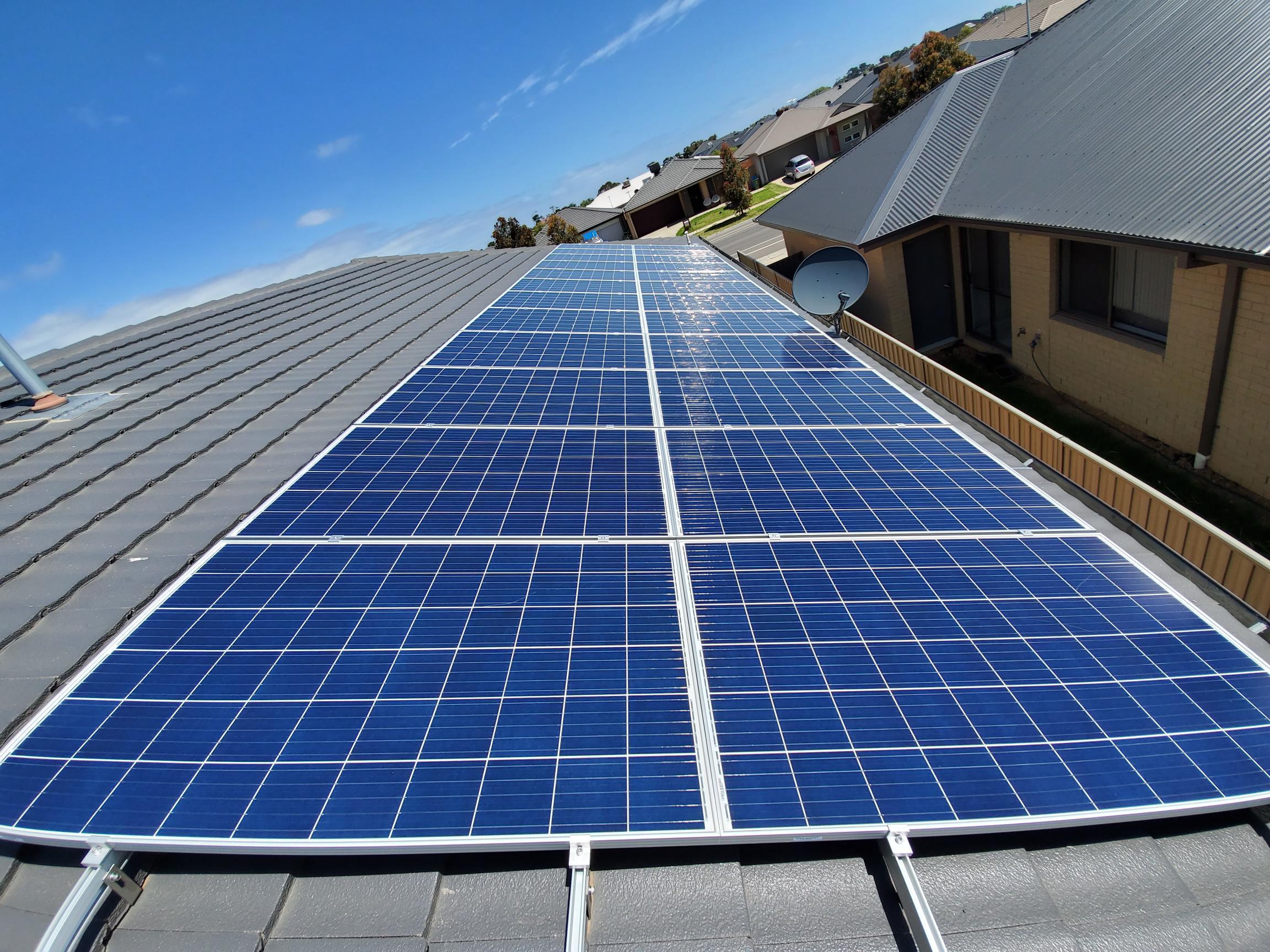
Most roofs are suitable for solar panels, but factors like roof orientation, angle, and shading can affect performance. During a site assessment, our team at Target Solar will evaluate your roof to ensure it’s ideal for solar installation.
Yes, solar panels can still generate electricity on cloudy days, although their efficiency will be reduced. Australia’s climate is generally well-suited for solar power, with many sunny days throughout the year.

Yes, most solar systems are designed to be expandable. If your energy needs grow, you can add more panels or upgrade your inverter to increase your system’s capacity.

Getting started with solar is easy. Contact Target Solar for a free consultation, and our team will guide you through the process, from choosing the right system to installation and ongoing support.

No CapEx & OpEx Solar System Upgrade and Expansion Solar System Design
1.

Initial Consultation

The process starts with an initial consultation where we understand your energy needs, goals, and site-specific requirements.

2.

Site Assessment

We conduct a detailed site assessment to evaluate the feasibility of a solar energy system, including structural considerations.

3.

System Design

Based on our assessment, we design a customized solar system tailored to your specific needs.

4.

Proposal and Contracting

We present a comprehensive proposal detailing the system design, projected energy savings, financial analysis, and cost estimates.

5.

DNSP Approval

We manage the Distribution Network Service Provider (DNSP) approval process, ensuring compliance with local grid requirements.

6.

Procurement of Materials

We procure high-quality solar components, ensuring everything is ready for the installation.

7.

Installation

Our expert team installs the solar system, adhering to the highest industry standards.

8.

Handover & Project Closure

We conduct a thorough system inspection, provide all necessary documentation, and officially hand over the system to you.

Delivered 4575+ Solar System Projects Across Australia

Latest blogs

Discover the Latest in Solar Energy

Get in Touch

Make contact with solar power, Save your saving and your world

Have a project in mind?

Do not hesitate to say